Recognizing Limping in Pets: When to Seek Veterinary Care

Recognizing Limping in Pets: When to Seek Veterinary Care
If you’ve ever noticed your dog or cat hesitating to walk, favoring one leg, or showing any sign of lameness, you know how quickly worry can set in. Limping in pets is one of the most common reasons families reach out to their veterinary clinic for help, and for good reason—lameness can signal anything from a temporary sore muscle to a serious orthopedic injury. At Clifton Veterinary Clinic, located at 4117 Highway 6, Clifton, TX 76634, our compassionate team understands how concerning it is to see your pet in discomfort. We offer comprehensive pet diagnostics in Clifton to uncover the true cause of limping, so your furry companion can get back to their happy, active self as soon as possible.
In this guide, we’ll help you recognize the signs of limping in pets, explore the most common causes of limping in dogs and cats, discuss professional treatment options available at our hospital, and explain when it’s time to schedule an appointment with our veterinary team. Whether you’re seeking information about pet diagnostics near me or want to know what to do next, you’ll find everything you need to support your pet’s health and mobility.
Spotting Limping in Pets: What Pet Owners Should Look For
It’s easy to miss the early signs of limping in pets, especially if they’re stoic or only show subtle changes in movement. However, identifying lameness early can make a big difference in your pet’s comfort and recovery. Common signs of limping in dogs and cats include a noticeable change in their gait, such as holding one leg off the ground, hopping, or shifting weight away from the affected limb. Additionally, you might observe your pet slowing down on walks, struggling with stairs or jumping, or hesitating to play as usual.
Other symptoms that often accompany limping are stiffness after rest, licking or chewing at a specific paw or joint, swelling around a limb, and occasionally vocalizing when moving. Some pets may display behavioral changes like irritability, hiding, or reluctance to be touched. For active dogs and cats in Clifton and surrounding communities, even a minor limp can disrupt daily routines and diminish quality of life.
If you notice any of these signs, it’s important to observe your pet closely, note when the limping started, and consider any recent injuries or activities that could have contributed. Early recognition is key to addressing the underlying cause and minimizing long-term discomfort.
Common Causes of Limping in Dogs and Cats
Limping in pets arises from a wide range of causes, and pinpointing the source is essential for effective treatment. The causes of limping in dogs can vary from simple strains to more complex orthopedic concerns. Injuries are a frequent culprit, especially in active dogs who enjoy running, jumping, or rough play. Sprains, muscle strains, and minor cuts or foreign objects stuck in the paw can all lead to a sudden limp.
In many cases, joint problems are to blame. Conditions like hip dysplasia, arthritis, torn ligaments (such as an ACL injury), or patellar luxation (knee cap dislocation) are common orthopedic issues that can cause lameness. For older pets or large breeds, degenerative joint disease and age-related wear on the joints are often significant factors. Fractures and dislocations, which may follow a fall or traumatic event, are urgent problems that require immediate veterinary attention.
Sometimes, the source of limping is less obvious. Infections, abscesses, or growths can cause pain and swelling in a limb. Certain neurological conditions may also affect your pet’s gait. Even something as simple as an overgrown nail or a thorn embedded in a paw pad can result in limping.
For pet owners seeking veterinary diagnostics in Clifton, our team uses advanced tools like digital radiology and vet ultrasounds to quickly and accurately identify the root cause of your pet’s discomfort. Identifying the underlying problem ensures your pet receives targeted, effective care.
When Orthopedic Issues Are Involved
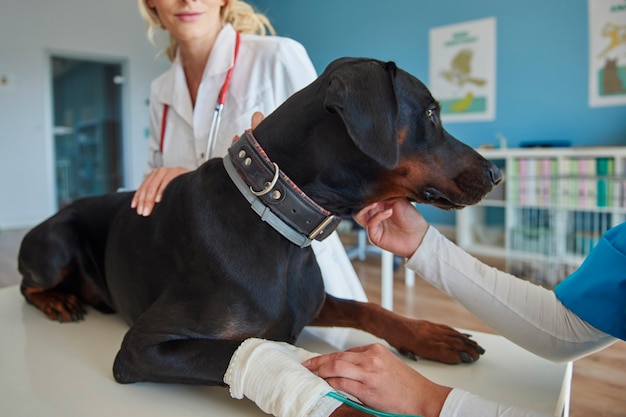
When limping is due to a musculoskeletal problem, such as a torn ligament or joint abnormality, specialized orthopedic services may be necessary. Our veterinary professionals regularly treat conditions like ACL injuries, hip dysplasia, and fractures. For example, a dog who suddenly refuses to put weight on a hind leg may have suffered an ACL tear, a common injury in athletic breeds. Cats may develop similar lameness from falls or high-impact jumps.
To provide the highest standard of care, we offer a range of orthopedic services for pets, including surgical and non-surgical options. Early diagnosis and intervention are especially important for preventing long-term joint damage and restoring mobility.
Professional Treatments for Limping: What to Expect at Clifton Veterinary Clinic
Once the underlying cause of limping in your pet is identified, our veterinary team will recommend a personalized treatment plan tailored to your pet’s needs. Treatment options for limping in pets in Clifton may involve rest and restricted activity, especially for mild sprains or strains. Anti-inflammatory medications and pain management strategies are often prescribed to reduce discomfort and support healing.
For pets with joint or ligament injuries, advanced surgical procedures may be indicated. Our team is experienced in performing ACL repair surgeries, hip dysplasia corrections, and fracture treatments, among other orthopedic interventions. Procedures such as FHO (Femoral Head Ostectomy) may be recommended for specific hip conditions, while knee cap dislocation surgeries address kneecap instability.
For pets experiencing chronic pain or recovering from surgery, our pain management services support long-term comfort and improved mobility. We also offer rehabilitation guidance to help your pet regain strength and flexibility following an injury.
Our commitment to quality veterinary services in Clifton includes clear communication, compassionate care, and follow-up support throughout your pet’s recovery. Your pet’s well-being and quality of life remain our top priorities.
Helping Your Pet at Home: Prevention and First Aid
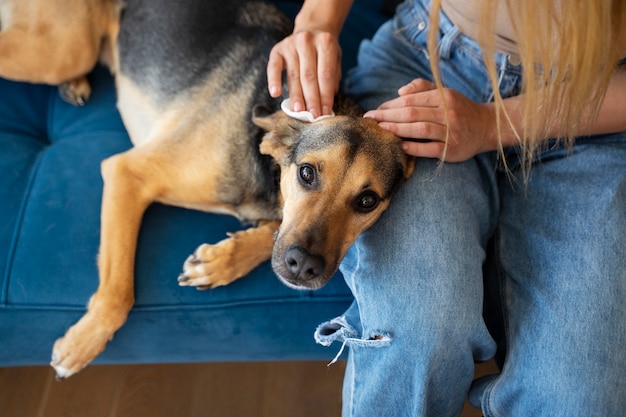
While professional care is essential for most orthopedic problems, there are steps you can take at home to support your pet. If you observe a mild limp with no obvious swelling, bleeding, or severe pain, encourage your pet to rest and limit activity for a day or two. Keep your dog or cat indoors or confined to a safe space to prevent further injury. You can gently examine the affected limb for visible issues like cuts, foreign objects, or swelling, but avoid manipulating the limb if your pet resists or shows signs of pain.
For prevention, maintain your pet’s healthy weight, as extra pounds put additional stress on joints and bones. Provide regular, moderate exercise suited to your pet’s age and breed to strengthen muscles and promote joint health. Keep your home and yard free of hazards that could lead to slips or falls, and trim your pet’s nails regularly to avoid painful overgrowth.
If your pet participates in high-impact activities or sports, consider discussing joint supplements or preventive care with our veterinary professionals during your next visit. Routine checkups are the best way to identify early signs of orthopedic issues and address them before they progress.
When to Schedule Veterinary Care for Limping in Pets
Knowing when to seek veterinary diagnostics in Clifton is crucial for your pet’s health. If your pet is suddenly unable to bear weight on a limb, cries out in pain, or shows obvious swelling, an urgent visit to the veterinarian is recommended. Persistent limping that doesn’t improve after 24-48 hours, recurrent lameness, or any sign of open wounds, deformity, or fever also warrants immediate evaluation.
Cats and dogs are experts at hiding pain, so even subtle limping can reflect significant discomfort. If you’re unsure whether your pet needs urgent attention, our team is here to answer your questions and provide guidance. Timely intervention can prevent minor injuries from becoming chronic problems and ensures your pet gets the care they deserve.
For pet owners searching for a “vet near me” who provides expert care and advanced pet diagnostics near me, Clifton Veterinary Clinic stands ready to help. Our team welcomes new and returning patients from Clifton and surrounding communities, offering the latest diagnostic and treatment options in a friendly, supportive environment.
Your Partner for Pet Mobility and Comfort in Clifton
Limping in pets is never something to ignore, and the right care at the right time can make all the difference in your pet’s recovery. At Clifton Veterinary Clinic, we combine advanced veterinary diagnostics in Clifton with a compassionate, community-focused approach to ensure every pet receives the attention they need. Our veterinary professionals are equipped to address the many causes of limping in dogs and cats, from minor injuries to complex orthopedic conditions.
If you notice any changes in your pet’s gait or suspect an underlying issue, we encourage you to schedule an appointment with our veterinarians. Reach out to our team at (254) 675-8925, or visit our Clifton location for quality veterinary services near me. Our goal is to help your companion stay comfortable, mobile, and happy for years to come. Whether you need orthopedic services for pets or a thorough diagnostic evaluation, trust our team to be your resource for excellence in veterinary care in Clifton.
Disclaimer: This blog is for informational purposes only and is not a substitute for professional veterinary advice. If your pet is experiencing sudden or severe limping, pain, or other concerning symptoms, please contact your veterinarian promptly for a thorough evaluation. For more information on limping in pets and how our veterinary team can help, explore our website or call (254) 675-8925 today.